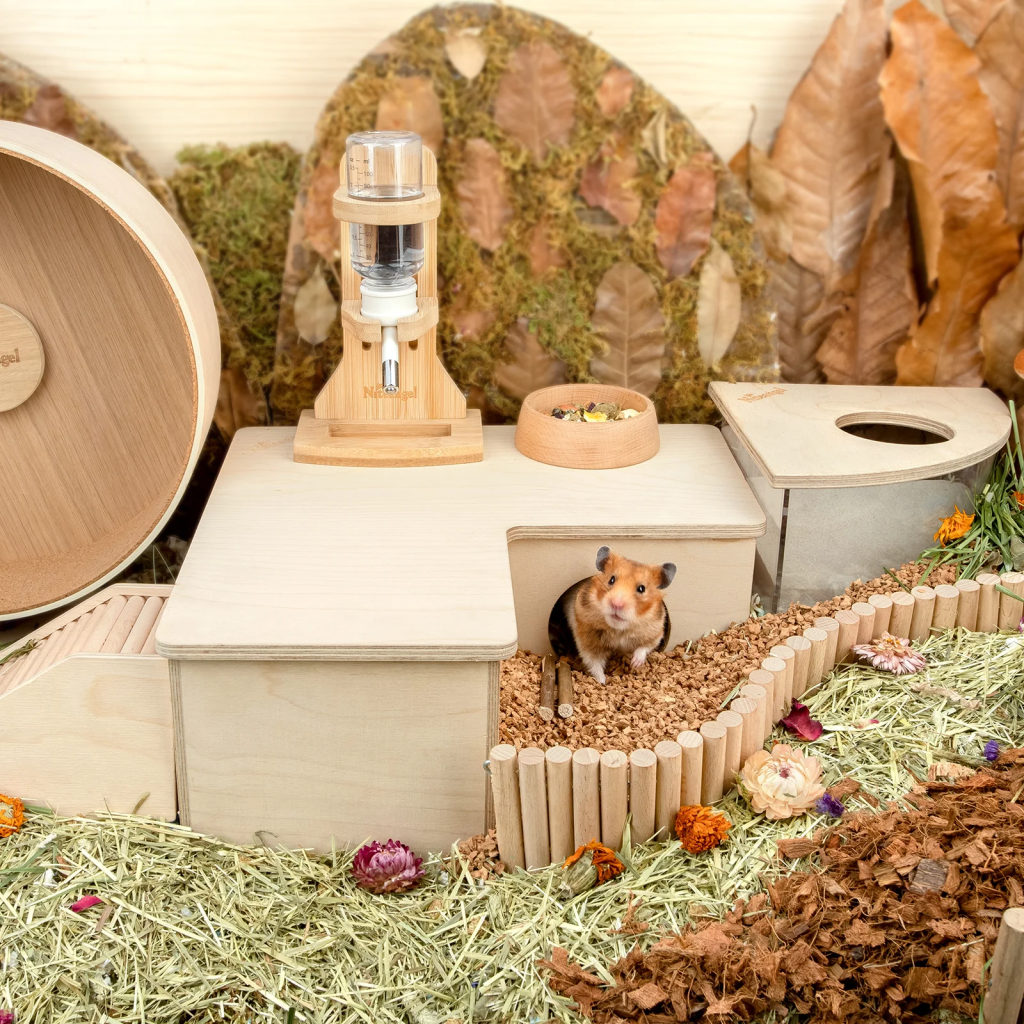
Bringing home a hamster is exciting! These tiny creatures may be small, but for them, moving to a new home is a big and sometimes stressful experience. The first few days are very important. With patience and proper preparation, you can help your hamster feel safe, calm, and happy in their new environment.
🏡 Prepare the Cage Before Arrival
Before your hamster arrives, make sure their enclosure is completely ready. Avoid setting up the cage after they are already inside — that can cause unnecessary stress.
Essentials include:
- A spacious cage with good ventilation
- Deep bedding (at least 6–8 inches for burrowing)
- A solid-surface wheel (correct size for your hamster)
- At least one hideout for privacy
- Fresh water in a bottle or bowl
- A high-quality hamster food mix
Hamsters feel safest when they can hide, dig, and explore. A well-prepared enclosure helps them settle in faster.
🌙 Give Them Time to Adjust
When you first bring your hamster home:
- Gently place them in the cage.
- Do not handle them immediately.
- Keep noise low and avoid sudden movements.
It is completely normal if your hamster hides, sleeps a lot, or seems shy during the first few days. They are learning new smells, sounds, and surroundings. Most hamsters need 3–7 days (sometimes longer) to feel comfortable.
Patience is key.
🤝 Start Taming Slowly
Once your hamster seems relaxed (eating, drinking, and exploring normally), you can begin gentle bonding.
How to begin:
- Wash your hands (so they don’t smell like food).
- Place your hand inside the cage and let them sniff you.
- Offer a small treat from your palm.
- Avoid grabbing from above — this can scare them.
Short, calm sessions are best. Trust builds over time.
🥗 Keep Diet Simple at First
In the first week, avoid introducing many new fresh foods. Sudden diet changes can upset their digestion.
Stick to:
- Their regular seed mix
- Small amounts of safe fresh vegetables (if they were already eating them)
Make sure fresh water is always available.
🔎 Watch for Signs of Stress
Some mild stress is normal at first, but watch for:
- Constant hiding without eating
- Sneezing frequently
- Wet tail or diarrhea
- Refusing food or water
If anything seems unusual or continues for several days, consider consulting a veterinarian.
❤️ Create a Safe Routine
Hamsters are creatures of habit. Keeping a consistent routine helps them feel secure.
- Clean only small areas of the cage at a time.
- Avoid rearranging everything too often.
- Handle them during their active hours (usually evening or night).
Over time, your hamster will recognize your scent and voice — and may even come to greet you.
Final Thoughts
Welcoming a hamster into your home is the beginning of a special bond. With patience, proper care, and gentle handling, your tiny companion will soon feel safe and confident in their new world.
Remember: for your hamster, you are their entire world. Make it a calm and loving one. 🐹✨